
Holiday Season Home Security: What Your Windows and Doors Are Telling Burglars
December is peak season for residential break-ins — here's how to harden your home's openings
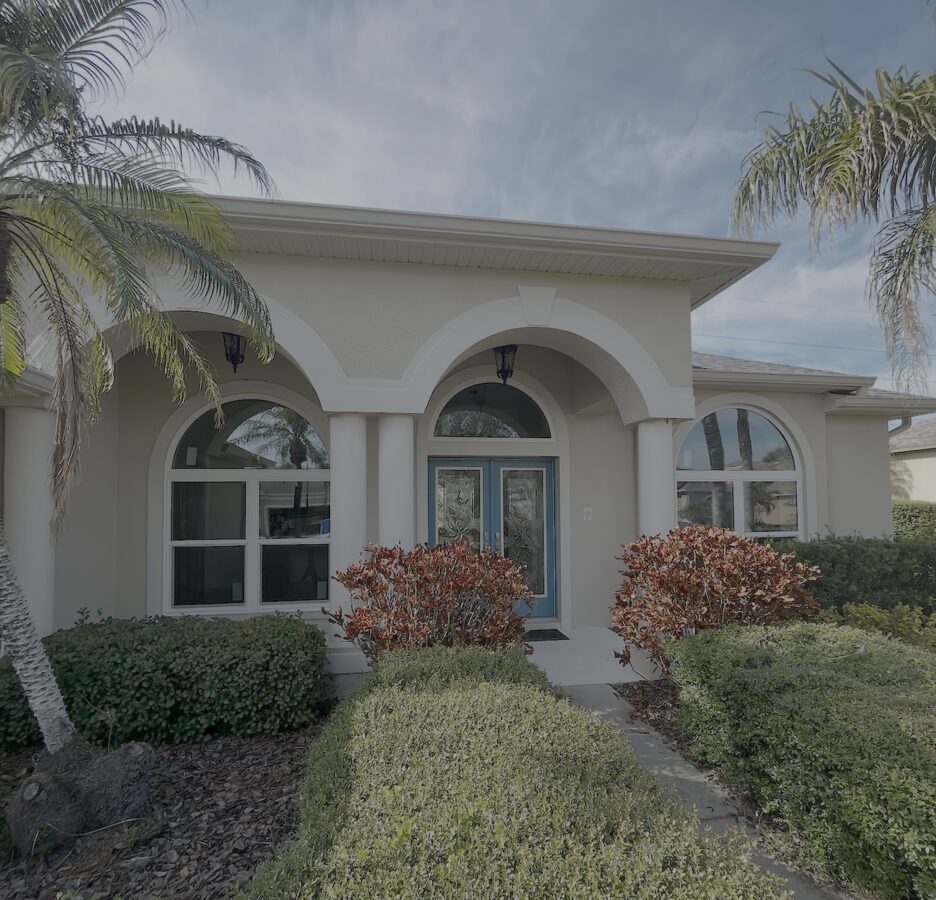
The FBI consistently reports higher rates of residential burglary in the fourth quarter, peaking in December. The reasons are straightforward: homes are left unattended more during travel, high-value gifts are visible through windows, and shorter daylight hours provide cover. Your windows and doors are the primary entry points — here's how impact glass factors in.
How Most Break-Ins Actually Happen
Despite what movies suggest, most residential burglaries involve very little sophisticated technique. The majority of entries are through unlocked doors and windows (about 30%), followed by forced entry at doors (about 60%), with window glass breakage accounting for a smaller percentage. Professional burglars work fast and avoid attention — they don't want to struggle.
What Impact Glass Does to the Calculation
Standard single or double-pane glass breaks quickly, quietly, and reliably when struck. Impact glass does not. The PVB interlayer means that even if the outer pane cracks, the interlayer holds everything in place — it doesn't shatter into an opening. Creating a hole large enough to reach through or climb through in impact glass requires sustained effort, significant noise, and time.
From a deterrence standpoint: a burglar who encounters resistance moves to the next house. Impact glass, visible to someone probing an entry point, is a meaningful deterrent.
Door Hardware Matters Equally
An impact-rated door in a weak frame is only as strong as its weakest point. Key hardware considerations:
- Deadbolts with 1-inch throw — A longer bolt engages more of the door frame strike plate, dramatically increasing kick-in resistance.
- Reinforced strike plates — The standard strike plate on most residential doors is held by short screws that pull out easily under force. A 3-inch screw into the door frame stud changes this completely.
- Multi-point locking — Impact French and sliding doors with multi-point systems engage at three or more points, making forced entry extremely difficult.
The Holiday-Specific Checklist
- Test every door lock and window latch before traveling
- Use smart plugs or timers on interior lights to simulate occupancy
- Don't leave large boxes from gift deliveries visible at the curb
- Tell a trusted neighbor you'll be away
- Confirm your alarm system is active and monitoring
Ready to Upgrade?
Get a Free, No-Obligation Quote
No sales reps. Just Rob and Robert — the people who will actually install your windows.
Contact Us