
Impact Glass Thickness: What the Numbers Mean and Why They Matter
Not all impact glass is the same — here's how thickness affects performance
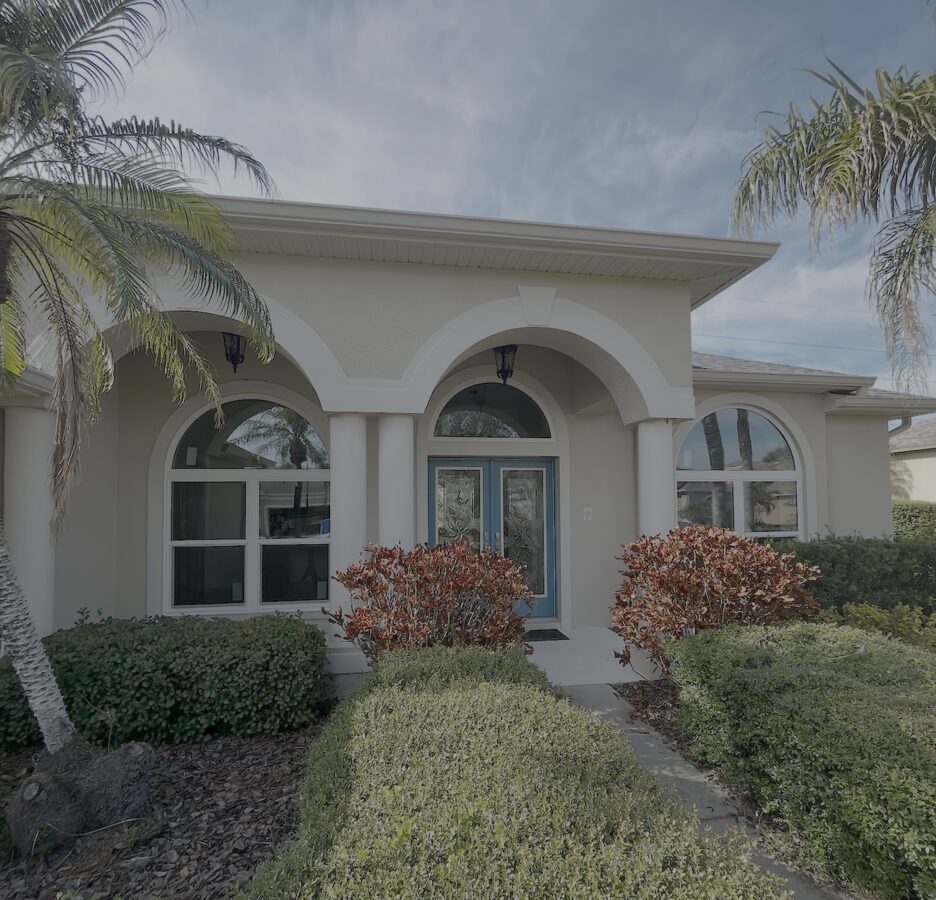
When we specify impact windows, one of the technical decisions we make is glass thickness — and it matters more than most homeowners realize. Here's what the options are and when each makes sense.
How Impact Glass Is Constructed
Impact glass is a laminated assembly: two lites of glass with a PVB (polyvinyl butyral) interlayer between them, bonded under heat and pressure. The notation describes both lites: "5/16" glass means a specific combination of glass thicknesses totaling 5/16 of an inch, plus the interlayer.
Common residential impact glass configurations:
- 3/16" + interlayer + 3/16" (standard dual-pane) — The most common residential impact configuration. Adequate for most opening sizes and wind zones in Pinellas County.
- 1/4" + interlayer + 1/4" — Used for larger openings, higher wind exposure, or applications where additional sound reduction is prioritized.
- 7/16" configurations — For very large openings (large picture windows, wide sliding doors) where deflection under wind pressure is a concern with thinner glass.
Thickness and Sound Reduction
Heavier glass transmits less sound. Moving from standard dual-pane to thicker glass can add 3–5 points of STC rating — which is roughly a 25% perceived reduction in noise. For homes near busy roads, airports, or other noise sources, specifying thicker glass is often worth the modest cost premium.
Thickness and Weight
Heavier glass puts more load on the frame and hardware. For casement windows and hinged doors, glass weight directly affects how hardware wears over time. Quality hardware rated for the specific glass weight is essential — it's something we verify during product specification.
The Interlayer Matters Too
Standard PVB interlayers are typically 0.090" (90 mil). Some products use thicker interlayers (0.150" or 150 mil) for additional performance. Thicker interlayers improve the "hold together" performance when the glass is struck — the assembly is harder to penetrate even after the outer lite has cracked. For high-exposure locations or security-sensitive applications, the interlayer specification is worth asking about.
Ready to Upgrade?
Get a Free, No-Obligation Quote
No sales reps. Just Rob and Robert — the people who will actually install your windows.
Contact Us