
Palm Harbor, Florida
Impact Windows & Doors
for Tampa Bay
Artisan impact windows and doors that open your home to the Florida lifestyle — without compromise.
Authorized Installer
PGT, Simonton & Custom Window Systems
We install Florida's most trusted impact window and door brands — PGT Winguard, Simonton Windows & Doors, and Custom Window Systems (CWS) — all backed by full manufacturer warranties.

PGT WinGuard
Simonton Windows & Doors
Custom Window Systems
Our Craft
Windows & Doors
made for Florida living.
Every product is hand-selected for performance, beauty, and longevity in the Gulf Coast climate. We don't cut corners — we cut wind.
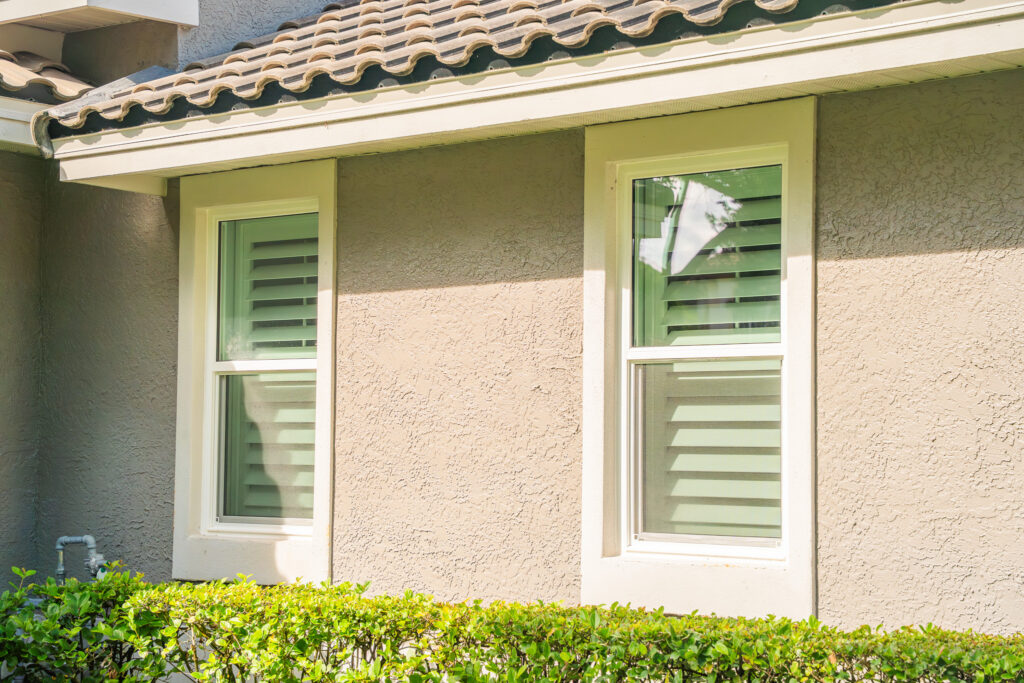
Impact Windows
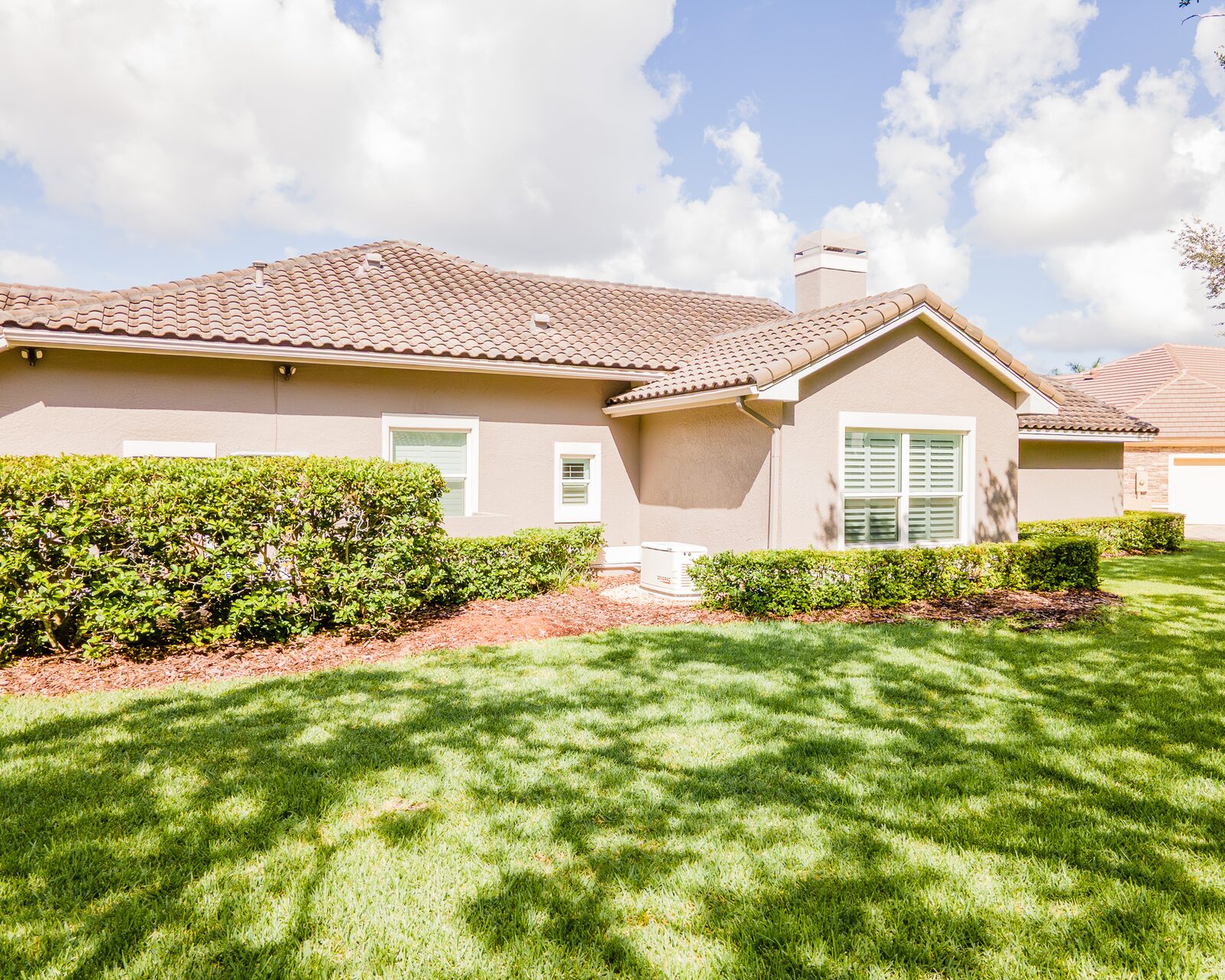
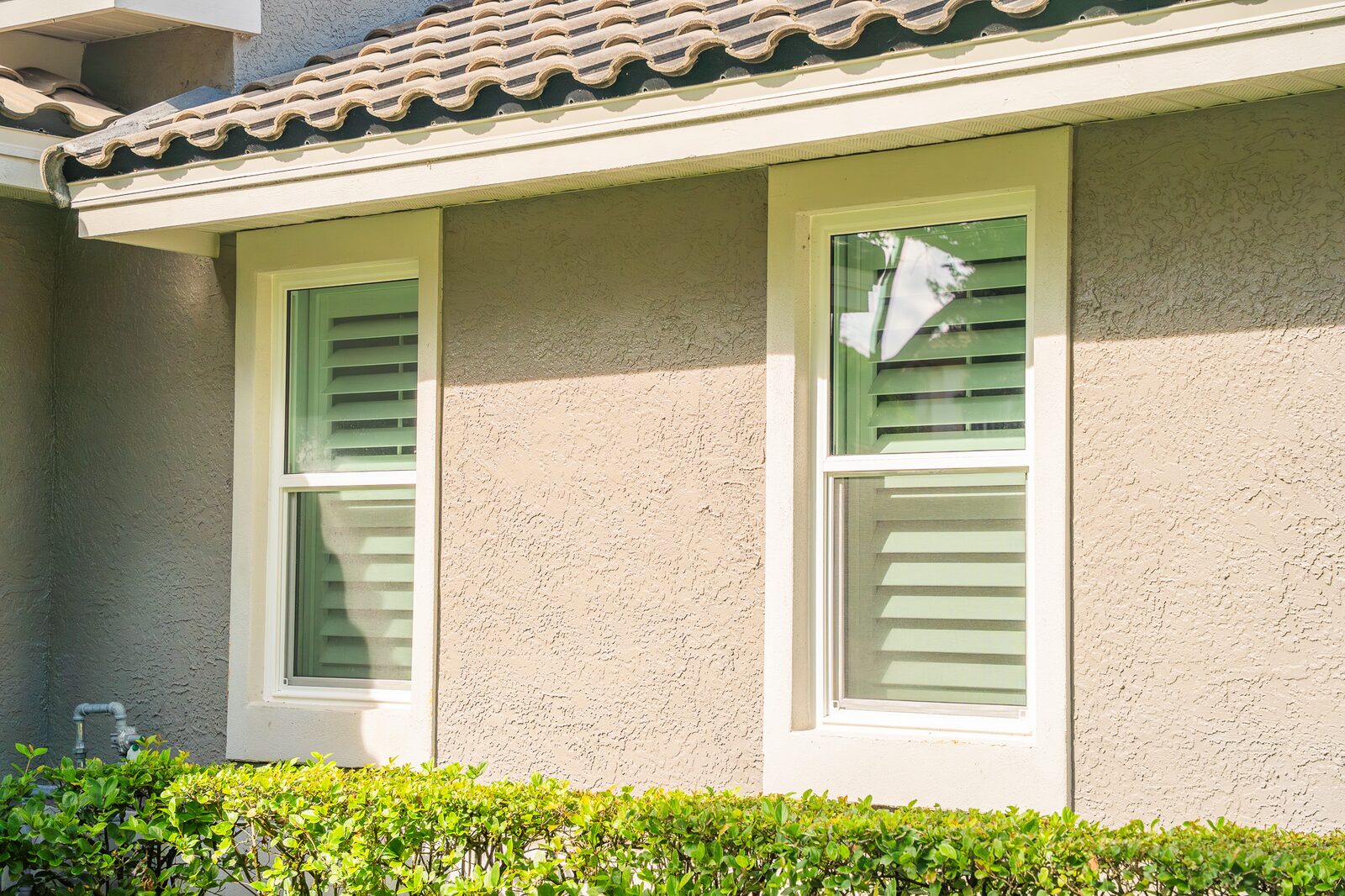
Hurricane-rated with low-e glass for superior energy performance. Available in dozens of styles to suit any Florida architecture — from Mediterranean to contemporary coastal.
Learn More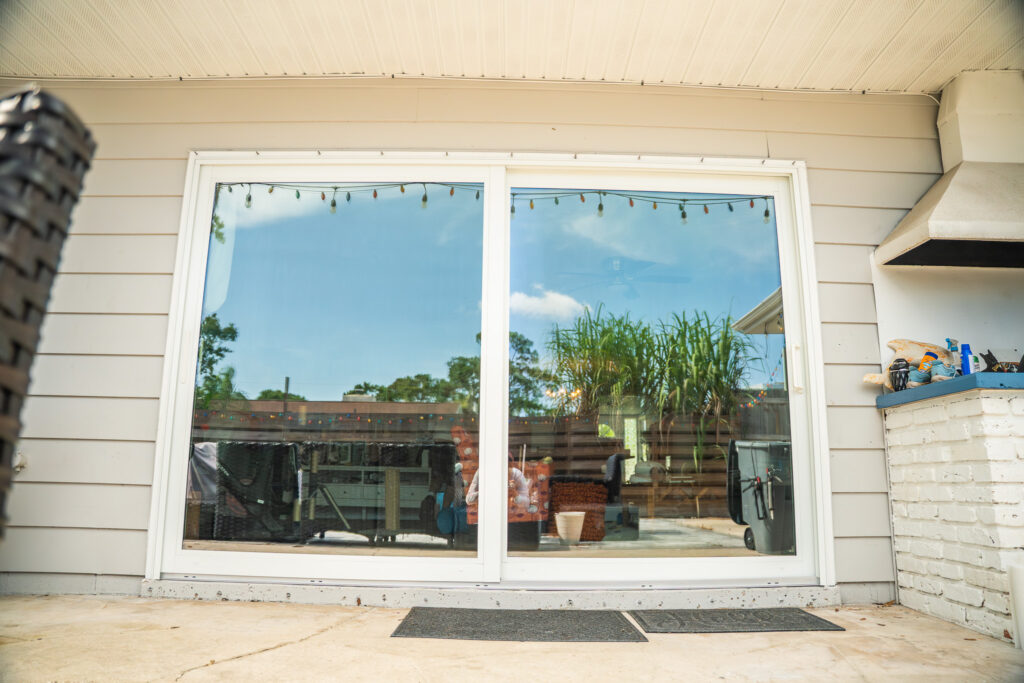
Sliding Glass Doors
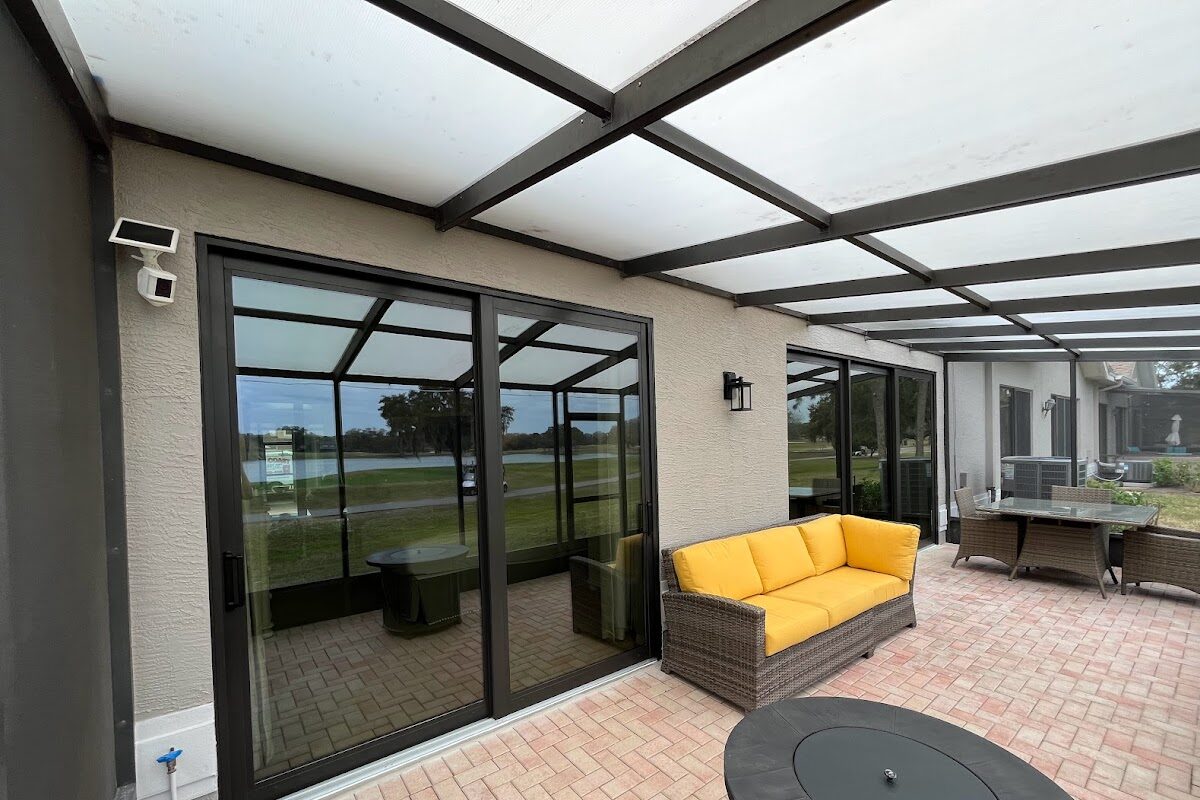
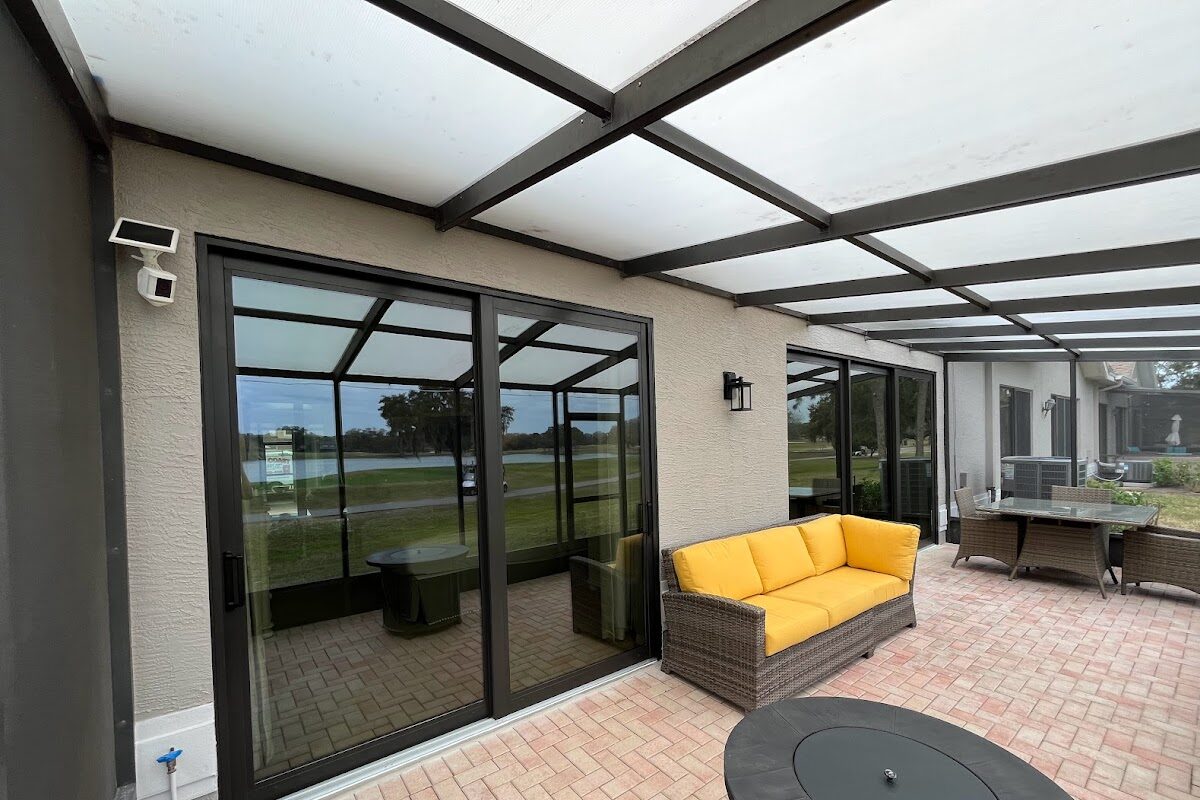
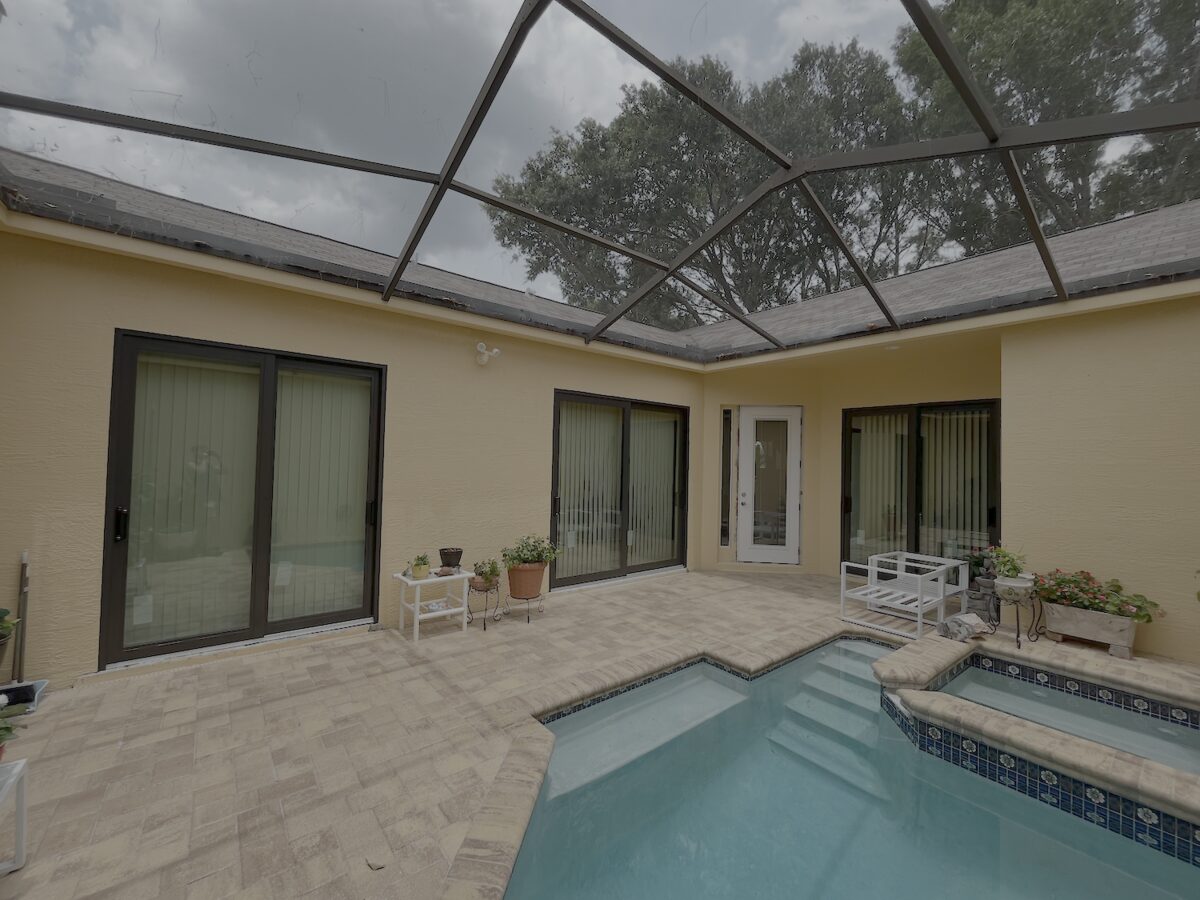
Open up your space with smooth-glide sliding glass doors. Built for coastal durability, they offer expansive views and a stylish way to blend indoor and outdoor living.
Learn MoreWhy Gulf Coast
The Gulf Coast Difference
No Sales Pressure
You speak directly with the owners — no commissioned reps, no upsells, no games.
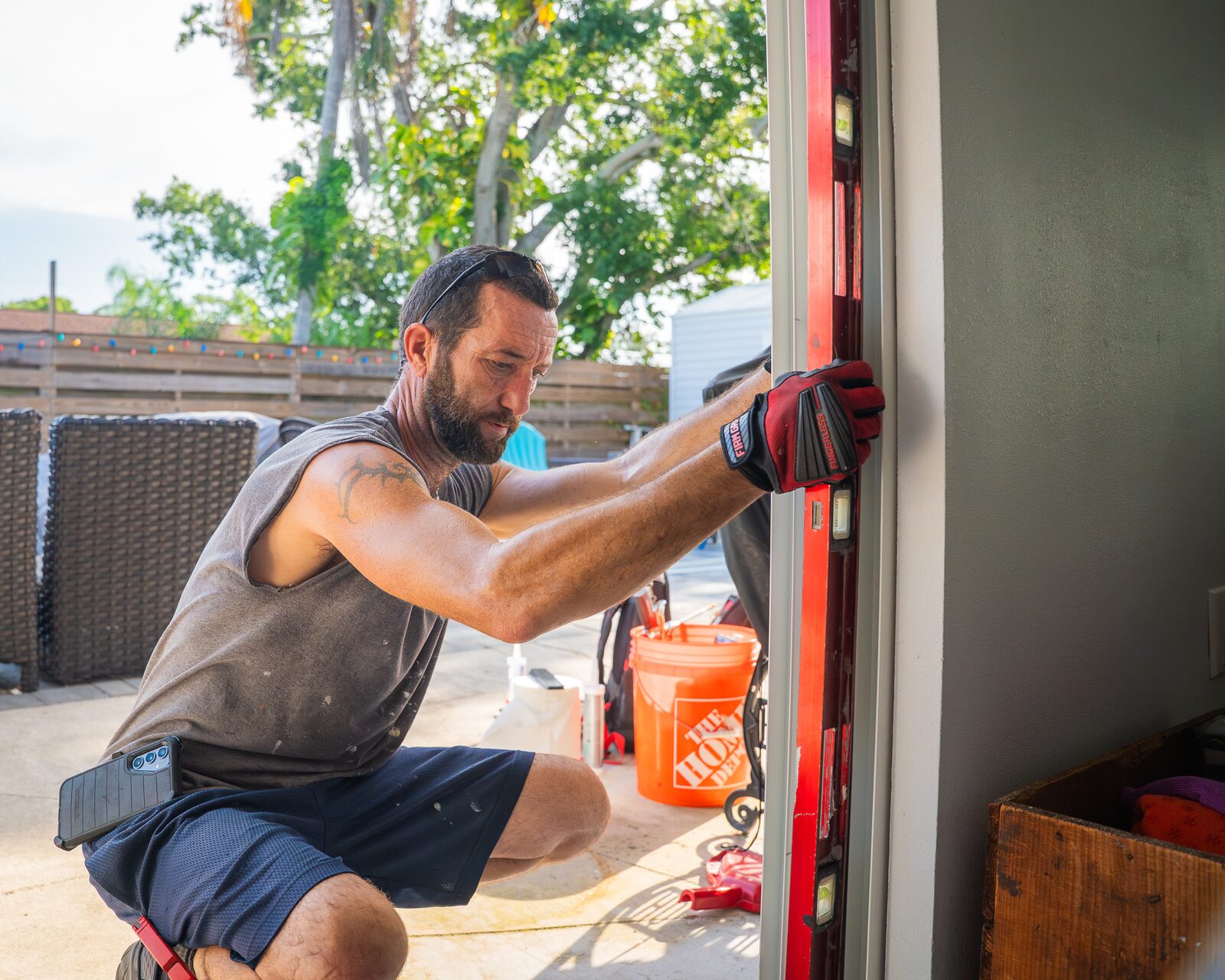
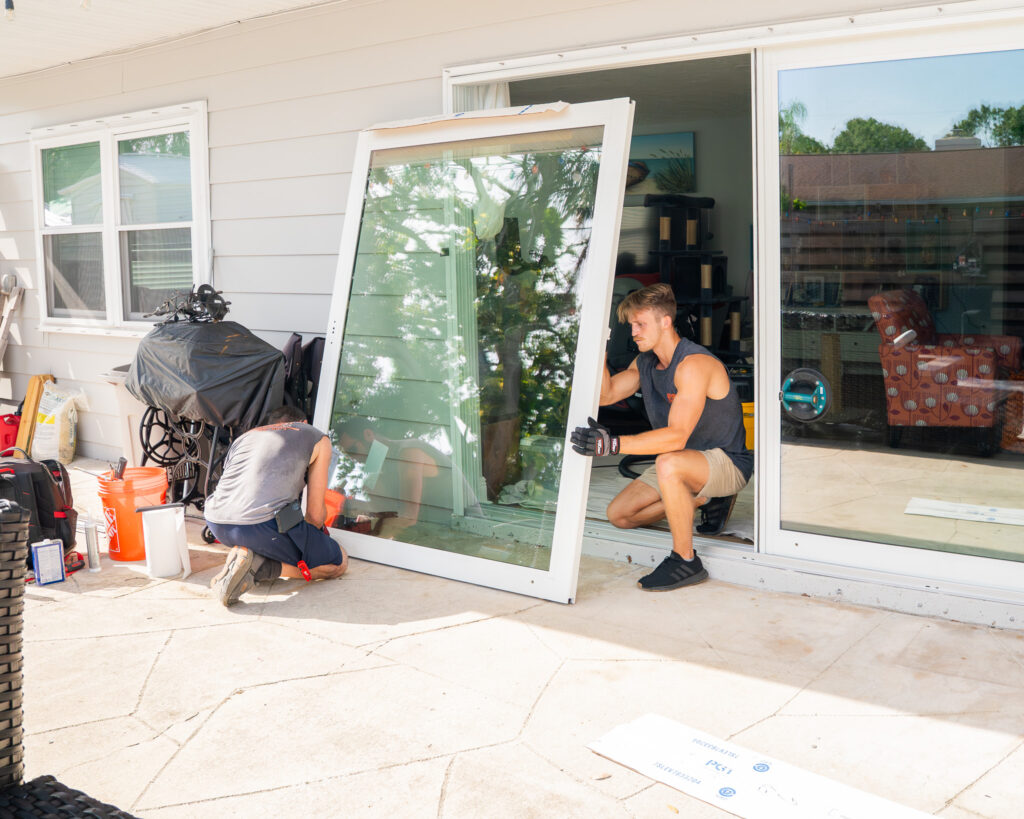
Owner-Installed
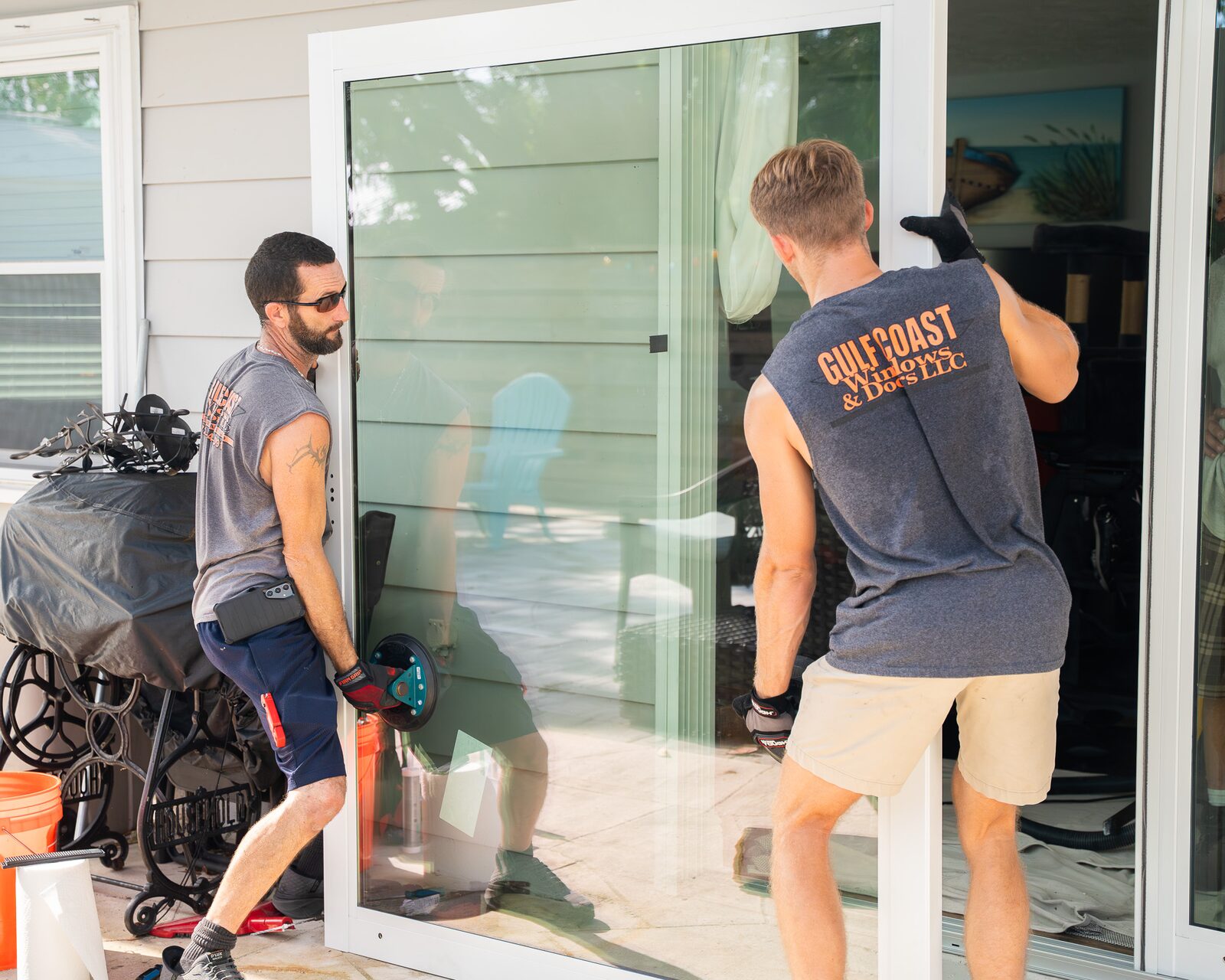
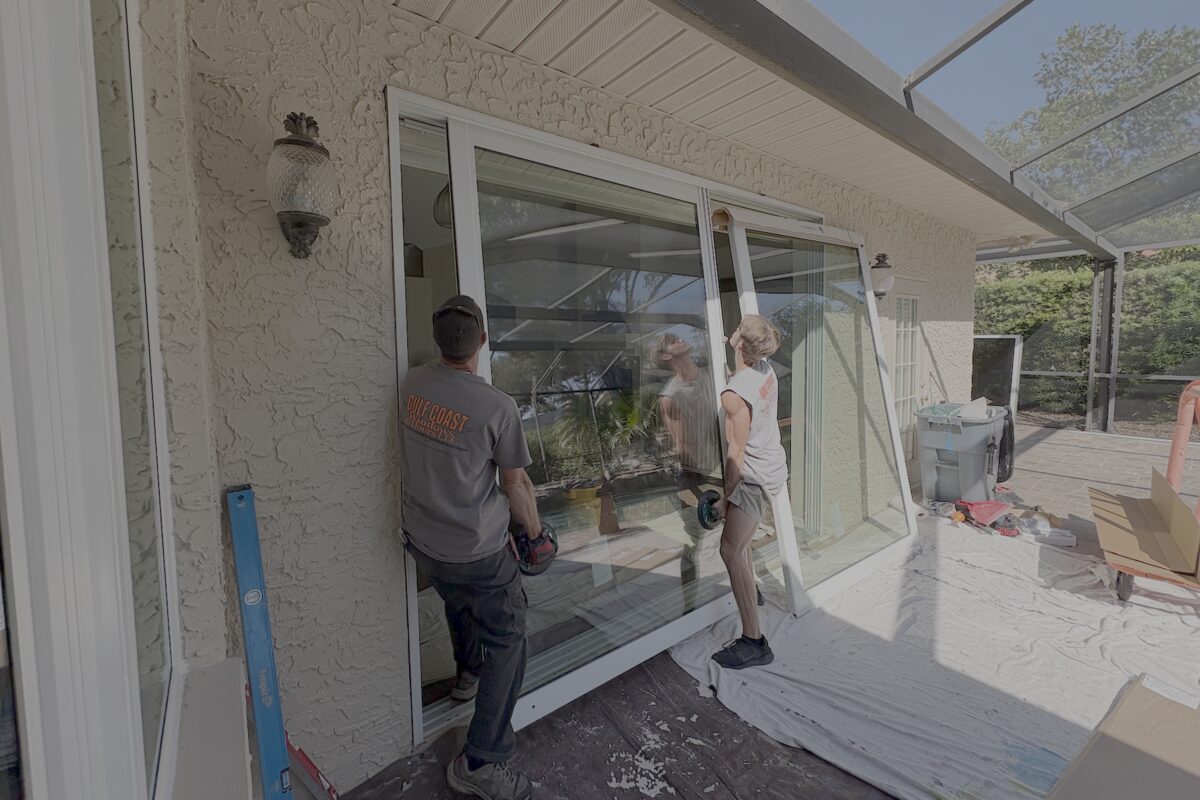
We personally supervise and perform every installation. Your home is in our hands, not a subcontractor's.
Energy Savings
Our low-e impact glass reduces heat gain dramatically — lower your cooling bills year-round.
Local & Licensed
Palm Harbor-based, fully licensed and insured. We know Tampa Bay weather — and we build for it.
Our Promise
"We built this business on the idea that your family deserves the same craftsmanship we'd put in our own home."
Gulf Coast Windows & Doors is a Palm Harbor father-and-son team. No sales reps, no subcontractors, no inflated quotes to cover commissions. When you call us, you speak with the owners — and when it's time to install, we're the ones on-site.
We specialize exclusively in impact windows and doors because we know what Florida weather demands. It's not a side business — it's everything we do.
What Clients Say
The Gulf Coast Experience
"The team were courteous, diligent, and did a great job! I would highly recommend them to anyone. They use PGT windows which are manufactured in Florida which I love. I want to support my local economy whenever possible."
"We had 2 sets of impact resistant sliding glass doors installed with a gray tint and we were very happy with Gulf Coast Windows and Doors professionalism and quality of the installation. Our laminate floors were untouched during the work with virtually no mess during installation. We would highly recommend this company."
"Choosing to work with this company was an extremely wise choice. Rob and Robert were kind, dependable, and made the installation process easy and efficient. The windows and slider door work well and we feel confident that should we have any concerns, this company would stand behind their products and work."
Get in Touch
Let's Talk About
Your Home.
We offer complimentary in-home consultations across Tampa Bay. No obligation, just honest conversation about what your home needs.